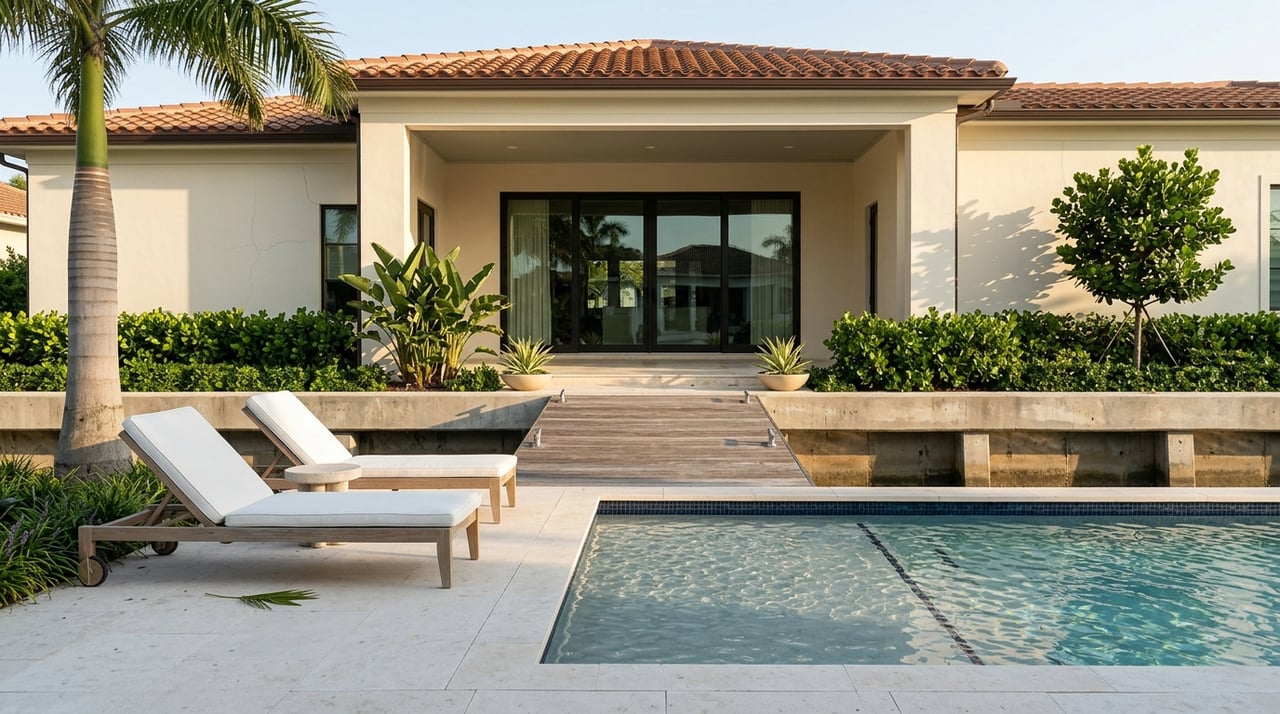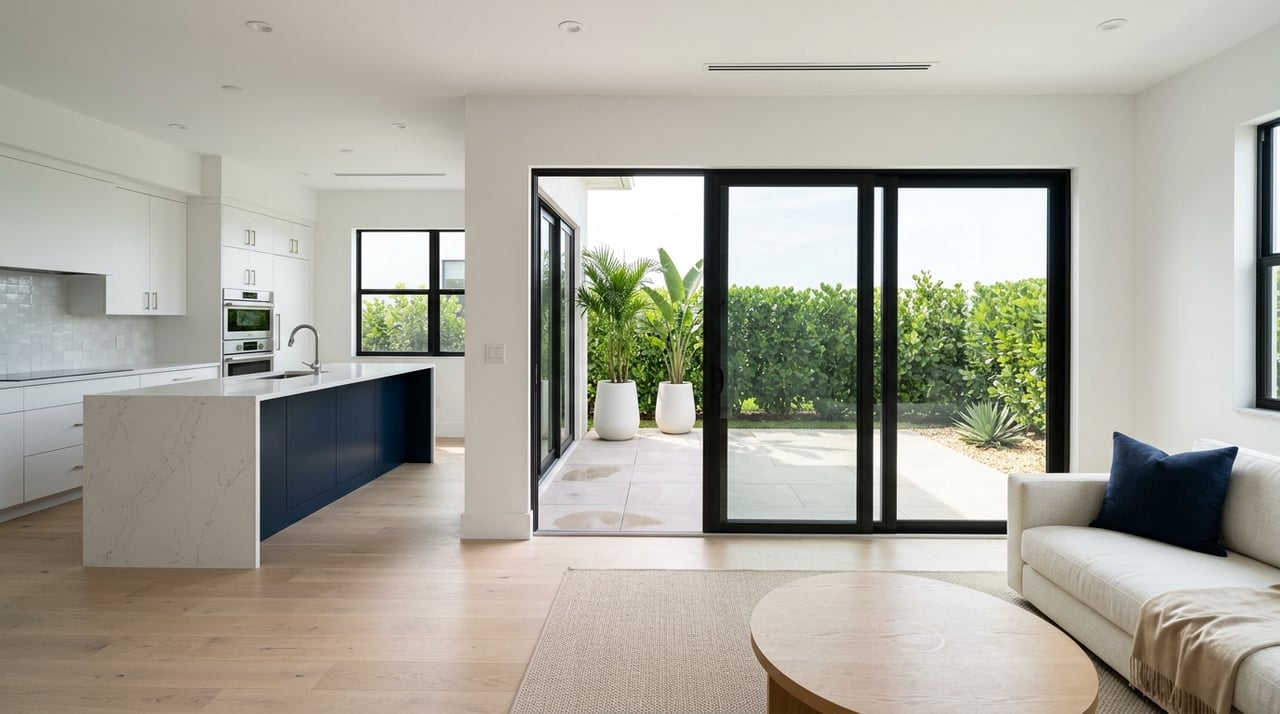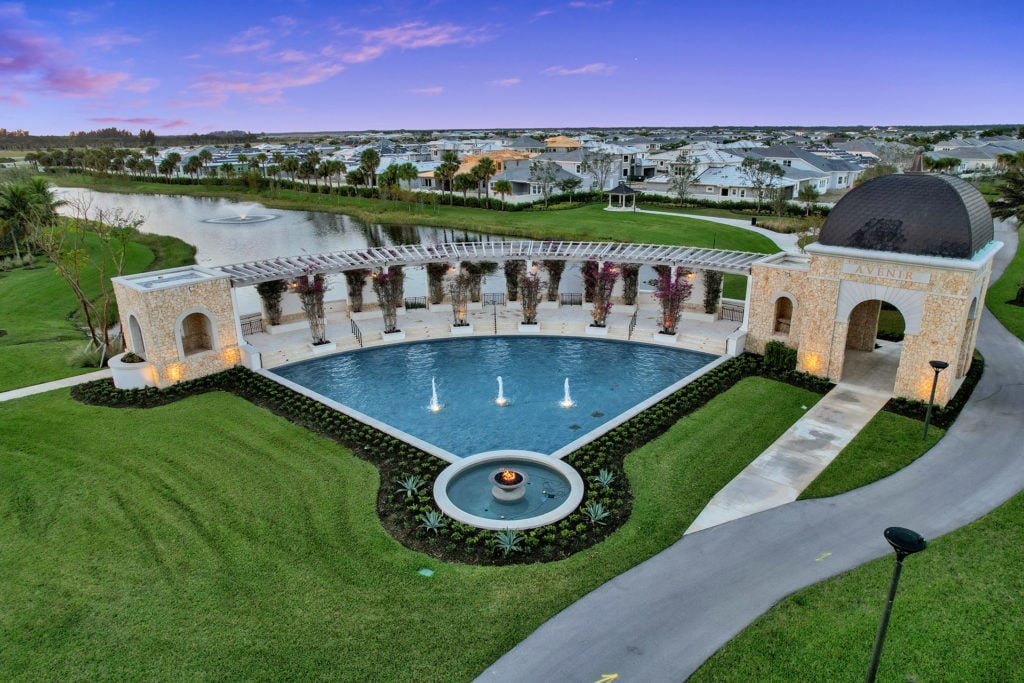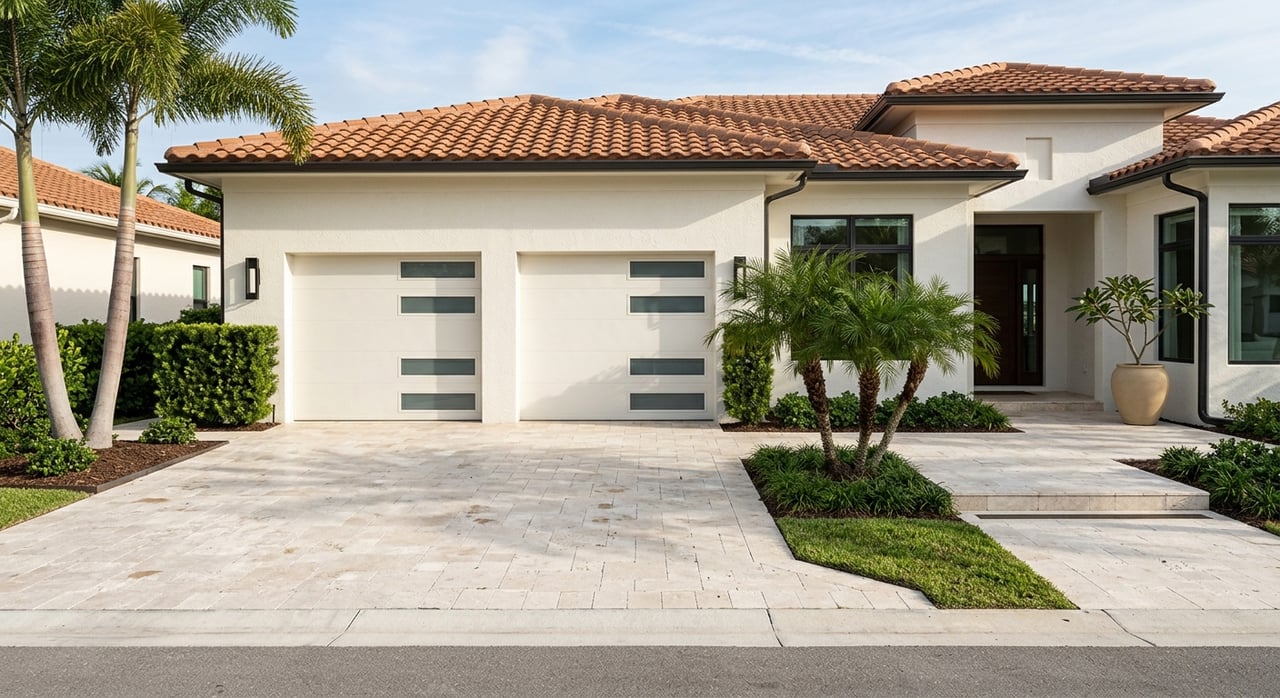
If you are thinking about selling your Palm Beach Gardens home, waiting until the last minute can cost you time and momentum. In this market, homes are generally taking weeks, not days, to sell, which means strong preparation matters. Whether you live in the home full time or manage it from out of state, a clear pre-listing plan can help you present the property well, avoid preventable delays, and move forward with more confidence. Let’s dive in.
Start Earlier Than You Think
Public market trackers vary on exact timing, but they point in the same direction for Palm Beach Gardens: homes are not flying off the market overnight. Realtor.com reported a 67-day median days on market in April 2026, Redfin reported 83 days in March 2026, and Zillow reported 57 days to pending as of April 30, 2026.
The takeaway is simple: give yourself enough runway before photos, showings, and launch day. If your home needs decluttering, touch-ups, records gathering, or permit research, starting early gives you more control and fewer rushed decisions.
This is especially important if you are a seasonal owner or you do not live nearby year-round. Coordinating vendors, repairs, and paperwork from a distance is easier when you treat the sale like a project with milestones, not a last-minute event.
Focus on the Prep That Buyers Notice
You do not need to overhaul everything to make a strong impression. In most cases, the best return comes from simple, visible improvements that help your home feel clean, bright, and easy to understand.
According to the 2025 NAR home staging report, 91% of sellers’ agents recommend decluttering, 88% recommend cleaning the entire home, and 77% recommend improving curb appeal. Buyers’ agents also said staging made it easier for buyers to visualize the property as a future home, with the living room, primary bedroom, dining room, and kitchen being the most commonly staged spaces.
Declutter First
Decluttering is often the highest-impact first step because it changes how your home feels right away. Start with closets, garage storage, laundry areas, and kitchen counters. These are the places where extra items tend to build up and make the home feel smaller or harder to maintain.
If you are still living in the home, aim for a more edited version of everyday life. Pack what you do not need now, reduce visible personal items, and create more open surfaces so buyers can focus on the space itself.
Clean for a Fresh, Cared-For Feel
A deep clean helps buyers read the home as well maintained. Pay close attention to flooring, baseboards, windows, bathrooms, kitchen surfaces, and any area where dust, moisture, or wear tends to show.
Natural light also matters. Clean windows, open blinds, and remove heavy visual clutter around major windows so the home feels brighter during photography and showings.
Improve Curb Appeal
Your exterior sets the tone before a buyer walks inside. Pressure washing, landscape cleanup, trimming overgrowth, and clearing the entry can quickly improve first impressions.
In Palm Beach Gardens, where outdoor presentation is part of the overall appeal, a tidy exterior can help signal that the property has been cared for. Even small updates can make the home feel more polished and ready.
Make Smart Cosmetic Updates
Before you spend money, focus on updates that are straightforward, visible, and relatively easy to complete. Small changes often go further than owners expect when they improve the home’s overall presentation.
Useful examples include:
- Touch-up paint in worn or scuffed areas
- Neutral wall colors where bold finishes may distract
- Updated light fixtures where rooms feel dated or dim
- New cabinet or door hardware if existing pieces are worn
- Pressure washing hardscapes and exterior surfaces
- Basic landscape cleanup and freshening
NAR staging guidance also points to open space, streamlined décor, natural light, and a sense of storage as helpful presentation shifts. That means your goal is not to make the home feel overly designed. It is to make it feel calm, functional, and easy for a buyer to picture living in.
Fix Visible Maintenance Issues Early
Pre-listing prep is not only about aesthetics. It is also about reducing surprises once buyers begin looking closely.
Florida Realtors notes that sellers must disclose known facts materially affecting value that are not readily observable, including in as-is sales. Written disclosure is considered the safest format, which is one reason it helps to identify issues before your listing goes live.
Pay Attention to Common Concern Areas
Florida Realtors’ residential seller disclosure form highlights several issues that often matter during a sale. These include:
- Roof condition
- Plumbing issues
- HVAC condition
- Moisture-related concerns
- Active permits not closed by final inspection
- Flood history or known flood-related damage
If you know about an issue, gather the details early. If repairs have already been completed, collect invoices, service records, and any close-out documentation so you can present a clearer picture when questions come up.
This approach can help you make better decisions about what to repair, what to disclose, and how to avoid delays once a buyer is under contract.
Gather Records Before You List
Paperwork tends to become stressful when it is left for the final week. In Palm Beach Gardens, sellers often benefit from assembling core records before photography and marketing begin.
The City of Palm Beach Gardens Building Division handles permitting, offers an online permit system, and accepts open permit status requests through its portal. The city notes that requests are processed in order, and requests received after 12 p.m. may not be entered until the next business day.
That timing matters. If you wait until you are already on the market to check permit status, a simple records issue can turn into a preventable delay.
Records to Pull Early
A practical pre-listing file may include:
- Permit history and status for past work
- Final inspection records where applicable
- Deeds or ownership documents
- Mortgage, lien, or recorded document information if needed
- Utility or service records for major systems
- Repair invoices and warranties
- Flood-related records if relevant
Palm Beach County’s Property Appraiser maintains official ownership records and map search tools. The Clerk of the Circuit Court & Comptroller’s Official Records system includes deeds, mortgages, judgments, liens, plats, and tax deeds, and the database can be searched by address or PCN.
For many sellers, this is the easiest time to track down missing documents while there is still time to organize them properly.
Review HOA and Condo Information Early
If your property has mandatory HOA or condo membership, do not wait for a buyer to ask for documents. Florida Realtors’ seller disclosure form specifically prompts sellers to identify items such as association membership, dues, special assessments, CC&Rs, architectural restrictions, leasing restrictions, easements, zoning issues, and shared driveways.
This is one of the most common areas where early organization pays off. If buyers are comparing several homes, clear and timely information can help keep your sale moving.
Try to gather:
- Current dues information
- Rules or restrictions that affect ownership or use
- Information on special assessments, if any
- Architectural approval requirements, if relevant
- Leasing or occupancy restrictions, if relevant
Being ready with this information supports a smoother process and reduces back-and-forth once your home is under consideration.
Plan Around Two Calendars
If you are selling in Palm Beach Gardens, your timeline may need to follow two schedules at once: the selling calendar and the storm calendar. That is especially true for homes being prepared during late spring, summer, or early fall.
NOAA says the Atlantic hurricane season runs from June 1 through November 30. Palm Beach County also advises that hurricane preparation is a year-round responsibility.
Build Storm Prep Into Your Selling Plan
County guidance recommends inspecting:
- Window protection
- Roofs
- Garage doors
- Walls
It also recommends trimming landscaping, removing loose outdoor items, checking evacuation tools, and making an evacuation plan.
For sellers, this matters because outdoor appearance, vendor timing, and storm readiness can all overlap. A polished listing loses momentum fast if exterior work is incomplete or storm prep is ignored.
Palm Beach County Fire Rescue also advises avoiding outdoor building or landscape projects when severe weather is approaching because branches and construction materials can become flying debris. If you are scheduling work during storm season, leave room for delays and keep projects tightly managed.
Seasonal Owners Need a Tighter System
If your Palm Beach Gardens home is vacant for part of the year, selling prep requires more coordination. A vacant property can look beautiful in photos but still face issues behind the scenes if humidity, storms, and vendor access are not being managed carefully.
Palm Beach County’s seasonal-home checklist recommends annual A/C service, humidistat calibration, mail forwarding, timers, humidity control, shutter prep, landscaping arrangements, and having a trusted friend or relative check on the property or act on the owner’s behalf. The checklist is aimed at helping reduce mold, mildew, and corrosion while a home is vacant.
For absentee owners, this supports a practical approach:
- Confirm the home is being checked regularly
- Service HVAC before listing prep begins
- Monitor humidity and moisture risks
- Coordinate landscaping and exterior upkeep
- Prepare shutters and storm procedures in advance
- Assign a local point person for vendors and emergencies
This is where hands-on coordination can make a real difference. When your property is both an asset and a responsibility, organized oversight helps protect value while keeping the sale on track.
A Calm, Project-Based Selling Plan Works Best
The most successful pre-listing prep usually is not flashy. It is organized, documented, and timed well.
In Palm Beach Gardens, that often means reducing clutter, cleaning thoroughly, handling visible maintenance issues, checking permit status early, gathering association documents, and planning around storm season if needed. When you approach the sale with a clear system, you give yourself a better chance of a smoother launch and fewer surprises later.
If you want expert guidance on preparing your Palm Beach Gardens home for sale, along with hands-on support for vendor coordination, remote ownership needs, or property oversight, connect with Jenna Fantauzzi. She brings a calm, strategic approach that helps you protect value and move forward with confidence.
FAQs
What should I do first when getting a Palm Beach Gardens home ready to sell?
- Start with decluttering, deep cleaning, and a review of visible maintenance items, then move into records gathering, permit checks, and any simple cosmetic updates.
How long does it take to sell a home in Palm Beach Gardens?
- Recent public trackers showed homes taking weeks rather than days to sell, with reported timelines ranging from 57 days to pending to 83 median days on market in spring 2026.
What records should Palm Beach Gardens sellers gather before listing?
- Sellers should gather permit information, final inspection records where applicable, ownership documents, repair invoices, warranties, and any HOA or condo documents that affect the property.
Why do Palm Beach Gardens sellers need to check permit status early?
- The City of Palm Beach Gardens processes permit-related requests in order, so checking status early can help avoid last-minute delays tied to open or incomplete permits.
What disclosures matter when selling a home in Florida?
- Florida sellers must disclose known facts materially affecting value that are not readily observable, and flood disclosure is required at or before contract execution for residential property sales.
How should seasonal owners prepare a Palm Beach Gardens home for sale?
- Seasonal owners should coordinate HVAC service, humidity control, storm prep, landscaping, regular property checks, and local vendor access well before the home goes on the market.