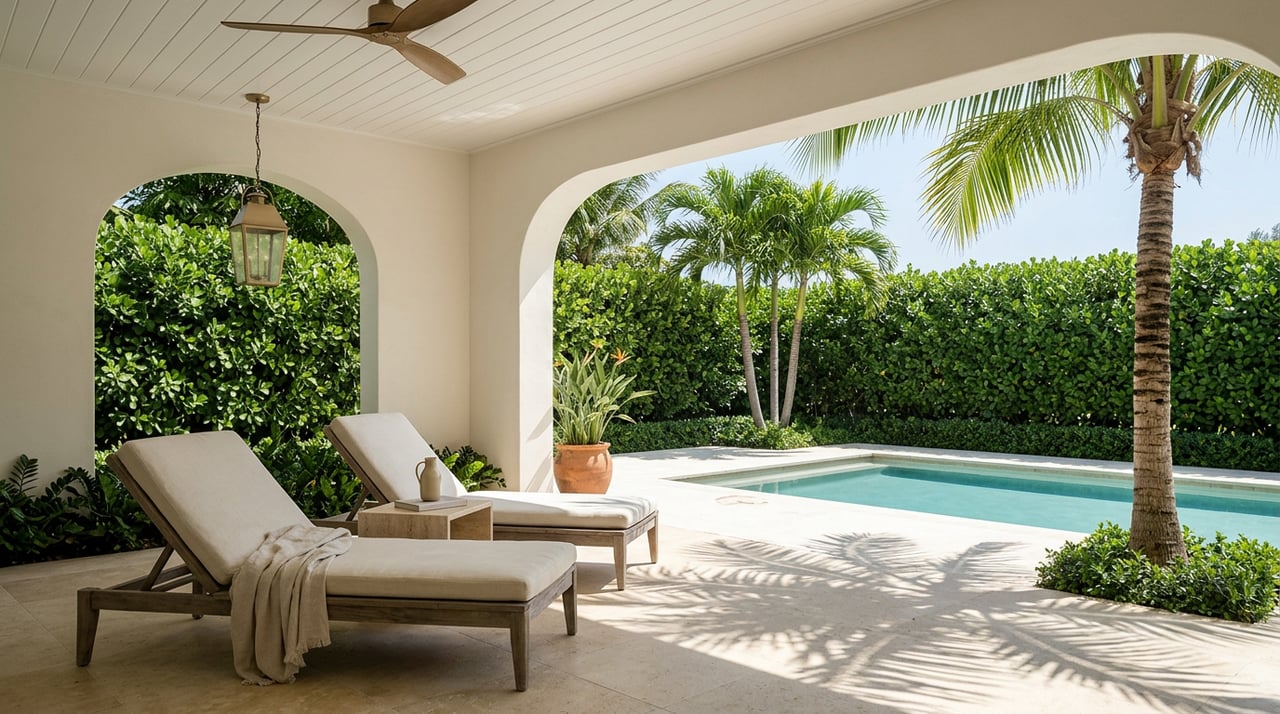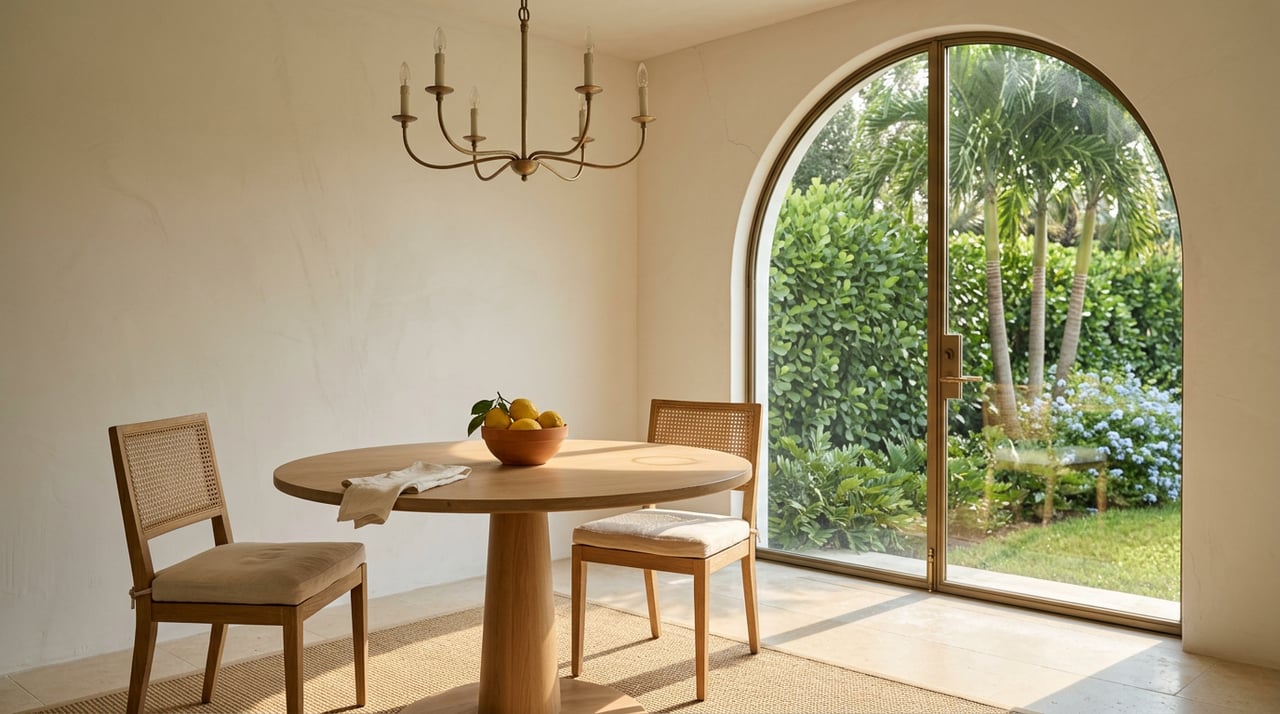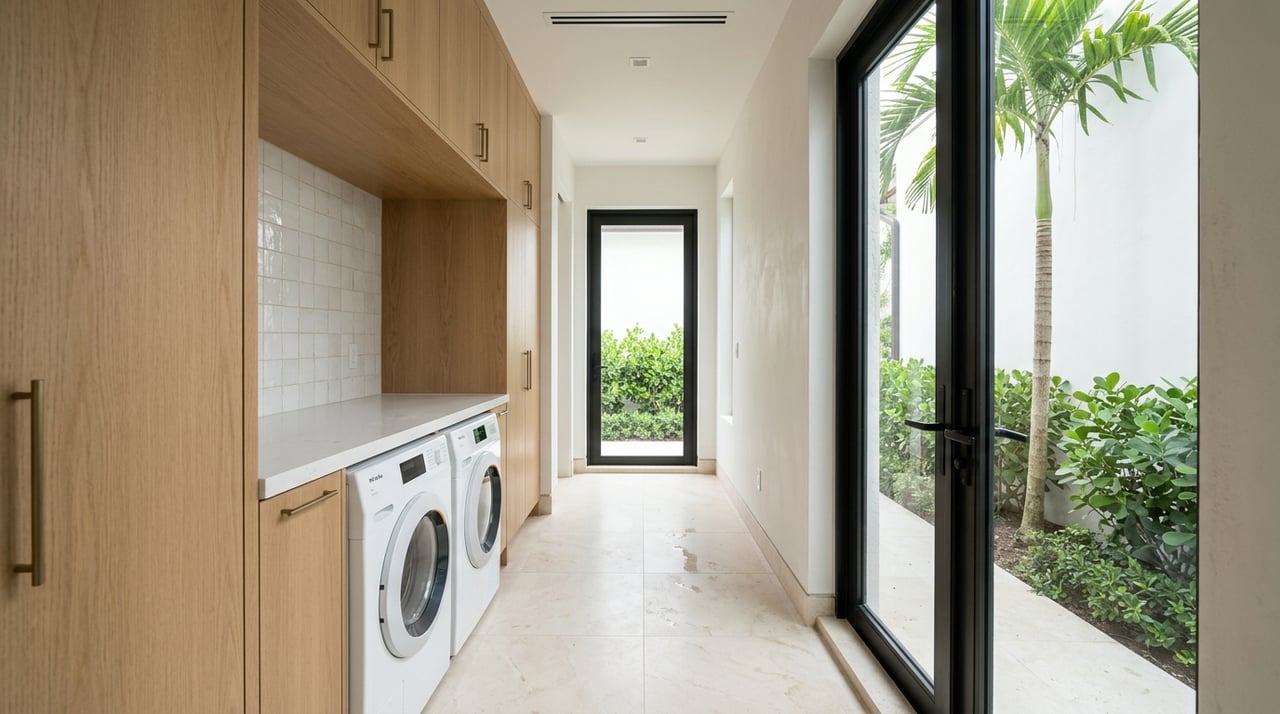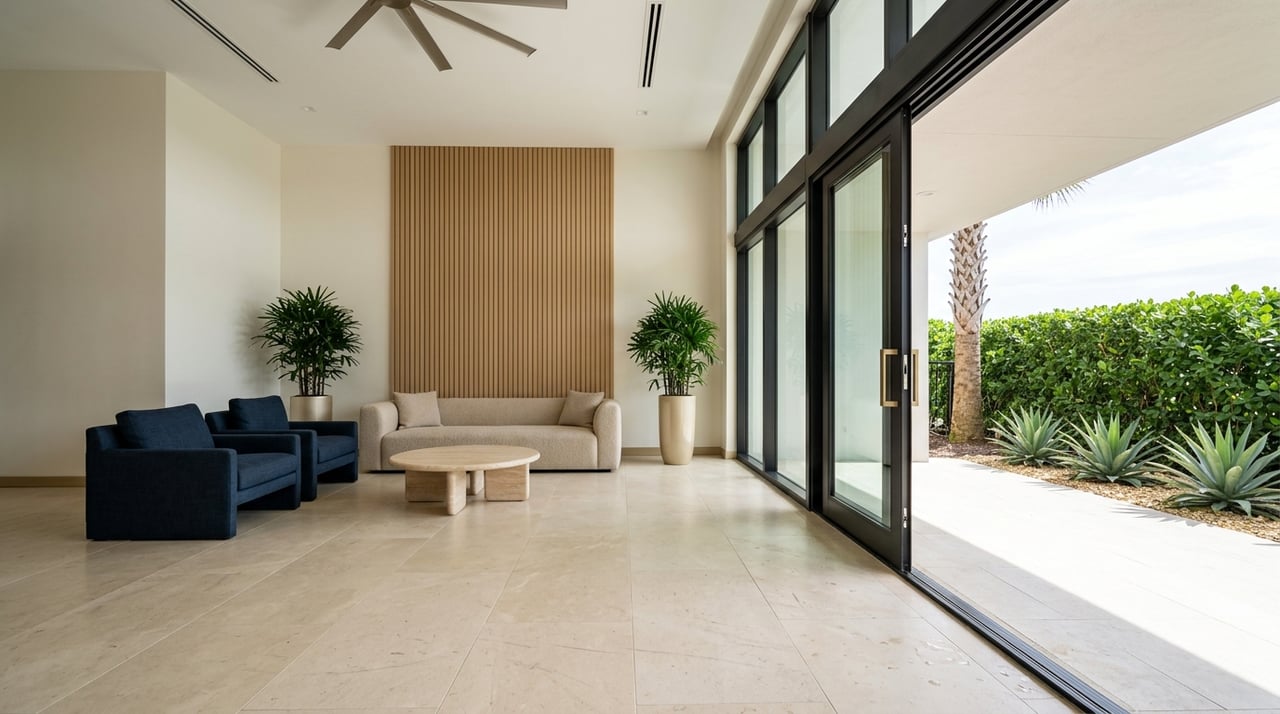
Are you better off with a condo near the action or a single-family home with more control? In West Palm Beach, that question matters more than ever because lifestyle, maintenance, flood exposure, and monthly costs can look very different from one property type to the next. If you are weighing your options, this guide will help you compare the real tradeoffs so you can make a confident decision. Let’s dive in.
Why this choice matters in West Palm Beach
West Palm Beach offers two very different ownership experiences. The city describes downtown as the region’s historic, transit, and cultural center, with Brightline access, the airport nearby, and continued residential development. Its waterfront setting, public spaces, restaurants, and shopping also make condo living especially appealing for buyers who want an urban, connected lifestyle.
At the same time, Palm Beach County has emphasized that flood risk is a practical issue across the area. Updated FEMA flood maps became effective on December 20, 2024, and additional eastern-county parcels moved into higher-risk flood zones. The county also notes that all residents live in a flood zone and encourages flood insurance, which makes property-level due diligence important whether you are considering a condo or a single-family home.
Condo living in West Palm Beach
For many buyers, a condo offers convenience that is hard to ignore. In a downtown or waterfront setting, you may be close to restaurants, shopping, public waterfront areas, and transportation, while also having access to shared features such as parking, elevators, recreation areas, and landscaped spaces.
Condo ownership can also reduce the amount of exterior upkeep you handle personally. In Florida, the association is responsible for the common elements, though the governing documents may assign some limited-common-element maintenance to the unit owner. That means less direct responsibility for building exteriors and common areas, but not a complete break from maintenance obligations.
You still need to care for your own unit and follow association requirements. Florida guidance also makes clear that unit owners must pay their share of common expenses, use common elements without interfering with others, and provide the association access to the unit when needed for maintenance or damage prevention.
When a condo may fit best
A condo is often the stronger fit if you want:
- Easier access to downtown West Palm Beach
- A more lock-and-leave ownership style
- Shared amenities and services
- Less exterior upkeep on your personal to-do list
- A property that may work well for seasonal or part-time use
For second-home owners or buyers who spend part of the year away, this setup can feel more manageable. It aligns well with a lifestyle built around convenience, location, and fewer day-to-day exterior responsibilities.
Condo costs to watch closely
The monthly math for a condo is not always as simple as the mortgage payment. Condo and HOA dues are usually paid separately and are not typically included in the monthly mortgage payment. Those fees can be significant, so it is important to review the full carrying cost before you decide.
Insurance also takes a closer look with condos. Association fees often include master insurance for common areas, but owners still need insurance for their own unit. That means you should understand what the association covers, what you must cover personally, and how flood exposure may affect the full insurance picture.
Florida condo rules matter more now
In Florida, condo due diligence has become more important because of recent legal and regulatory changes. Residential condominium associations for buildings that are three habitable stories or higher must complete structural integrity reserve studies, and certain older buildings are also subject to milestone inspection requirements based on age and coastal proximity.
These requirements do not apply to single-family, two-family, or three-family dwellings with three or fewer habitable stories above ground. For condo buyers in West Palm Beach, that creates an extra layer of review that can directly affect future budgets, repairs, and assessments.
Single-family living in West Palm Beach
A single-family home usually offers a different kind of value. Instead of owning a unit within a larger building, you control the parcel itself, which often gives you more say over the property and how you use it. For many buyers, that added control is the main reason to choose a detached home.
That control often comes with more direct responsibility. In general, single-family ownership shifts more of the routine upkeep to you because the home, exterior, and yard are your responsibility rather than part of a shared building system.
Still, detached does not always mean no association. Many Florida single-family neighborhoods are governed by HOAs, and those associations can collect assessments and regulate common areas and amenity use.
When a single-family home may fit best
A single-family home is often the better fit if you want:
- More control over the property itself
- More flexibility with outdoor space
- Less reliance on shared building systems
- A lifestyle centered more on privacy and autonomy
- Fewer building-level governance issues than a condo tower may have
For buyers comparing lifestyle, the tradeoff is usually straightforward. You may gain more control and independence, but you also take on more hands-on upkeep.
HOA rules still deserve attention
If the home is in an HOA community, review the governing documents carefully. Florida law allows HOAs to regulate architectural appearance and parcel improvements when that authority is included in the declaration or published guidelines, and those standards must be applied reasonably and equitably.
That means you should look closely at rules related to:
- Fences
- Paint colors
- Roof changes
- Landscaping
- Parking
- Rental restrictions
Even with a detached home, the details of HOA oversight can shape your ownership experience more than many buyers expect.
Maintenance and workload compared
One of the clearest differences between these two property types is your monthly workload. With a condo, much of the exterior and common-area responsibility is handled through the association structure. With a single-family home, more of that work falls directly on you.
That does not mean condos are maintenance-free. You still have unit responsibilities, monthly dues, compliance obligations, and building-related considerations tied to inspections, reserves, and association operations. It simply means the maintenance is divided differently.
A single-family home may feel simpler from a governance standpoint, especially if it is outside a heavily regulated community. But from an operations standpoint, it usually demands more direct attention, from exterior upkeep to property monitoring.
For absentee owners, seasonal residents, or buyers managing a property from out of state, this distinction can be especially important. The right choice is often less about square footage and more about how much involvement you want after closing.
Flood zones and insurance are not side issues
In West Palm Beach, flood status should be part of your decision from the start. Palm Beach County says all residents live in a flood zone, and the county’s updated FEMA maps expanded higher-risk areas in parts of the eastern county.
Just as important, the county notes that windstorm insurance does not cover flood damage. Whether you are buying a condo or a single-family home, you should verify the exact flood zone for the property, understand the insurance implications, and look at drainage and location-specific risk rather than relying on property type alone.
This is one of the biggest reasons broad assumptions can lead buyers in the wrong direction. Two properties in the same city can carry very different flood and insurance considerations based on the exact address.
The most important documents to review
If you are leaning toward a condo, document review should be a major part of your process. In Florida, key condo materials include the declaration, bylaws, rules, budgets, official records, reserve study, and any recent milestone inspection report.
State guidance says structural inspection reports and reserve studies are part of the association’s official records and must be provided to potential purchasers. It also states that official records must be organized and available for inspection within 10 working days of a proper written request.
If you are considering a single-family home in an HOA community, your checklist shifts a bit. Instead of reserve studies and building inspection reports, your focus is more likely to be on the HOA’s governing documents and how much control the association has over exterior changes and community use.
How to decide which fits your life
The best choice usually comes down to shared convenience versus private control. A condo often makes more sense if you want a streamlined ownership experience, close access to downtown West Palm Beach, and less exterior upkeep. A single-family home often makes more sense if you want more flexibility, more autonomy, and fewer shared building concerns.
Before you decide, compare each property on the factors that matter most:
- Monthly carrying costs, including dues or assessments
- Maintenance responsibilities
- Flood zone and insurance needs
- Association rules and governance
- Building condition or exterior upkeep demands
- How often you will be in residence
In West Palm Beach, there is no one-size-fits-all answer. The strongest decision usually comes from matching the property’s real obligations to the way you actually plan to live.
If you are comparing condos and single-family homes in West Palm Beach, a clear process can save time and help you avoid surprises later. Jenna Fantauzzi brings a steady, detail-driven approach to both the transaction and the realities of ownership, which is especially valuable if you are relocating, buying a second home, or weighing how much hands-on property responsibility you want.
FAQs
What is the main difference between condo and single-family living in West Palm Beach?
- The main difference is usually shared convenience versus private control. Condos often offer less exterior upkeep and more shared services, while single-family homes usually offer more autonomy and more direct maintenance responsibility.
What condo costs should buyers expect in West Palm Beach?
- In addition to the mortgage, condo buyers should expect separate association dues and unit-level insurance needs. You should also review whether future repairs or assessments may affect your total monthly cost.
What HOA rules matter for West Palm Beach single-family homes?
- For single-family homes in HOA communities, buyers should review rules on exterior appearance, fencing, paint, roofing, landscaping, parking, and rentals because those rules can shape how much flexibility you have.
What flood questions should buyers ask in West Palm Beach?
- Buyers should verify the exact flood zone for the property, ask about insurance implications, and review location-specific drainage and flood risk because county guidance makes clear that flood exposure is relevant across the area.
What documents should condo buyers review in Florida?
- Condo buyers should review the declaration, bylaws, rules, budgets, official records, reserve study, and any recent milestone inspection report to better understand the building’s finances, condition, and future obligations.